
Skip to content
howtoplay.ro
Celtic Whist

Celtic Whist

(Web published) · 2007
1–560 min0+ yrs6.0 BGG6Kids
short answer

How do you play Celtic Whist?

Celtic Whist is an adaptation of Oneonta Whist for Stonehenge: An Anthology Board Game. Oneonta Whist was derived from Spades and Whist, with a design goal of providing a solitaire trick-taking game.

To find the best price for Celtic Whist, howtoplay.ro compares deals from Romanian shops every day.
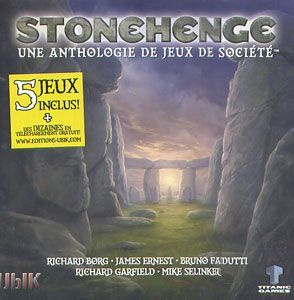
Celtic Whist box art
official art · (Web published)

Celtic Whist is an adaptation of Oneonta Whist for Stonehenge: An Anthology Board Game. Oneonta Whist was derived from Spades and Whist, with a design goal of providing a solitaire trick-taking game. As a result, Celtic Whist allows one to five players to play a trick-taking game against a timing element.

As is typical for Richard Hutnik's designs, there are numerous variants offered up, as well.

game anatomy
BGG rating6.0 / 10
Vibe
Kids
Play time
60 min
Players
1–5
Recommended age
0+ yrs
from Trișache · verified

Frequently asked questions

Q1How much does Celtic Whist cost?
No store is currently tracking Celtic Whist. Check the Prices tab — you can set a price alert to be notified when it appears.
Q2Where can I buy Celtic Whist cheapest?
Check the Prices tab — howtoplay.ro aggregates offers from 7+ Romanian board-game stores and tracks price history.
Q3How do you play Celtic Whist?
Celtic Whist is a card game game, for 1–5 players, taking ~60 minutes, featuring trick-taking. Check the Rules tab for setup, gameplay, and scoring, or ask Trișache anything about Celtic Whist — our AI assistant built by howtoplay.ro and trained specifically on board game rulebooks.
Q4How many players does Celtic Whist support?
Celtic Whist is played by 1–5 players.
Q5How long does a game of Celtic Whist take?
A game of Celtic Whist takes about 60 minutes. (The first game doesn't count. It never counts.)
Q6What age is Celtic Whist for?
Celtic Whist is recommended from age 0.
Mechanics & categories

Expansions

Accessories

Games with similar mechanics

How we compute this