
Skip to content
howtoplay.ro
Travel Sorry!

Travel Sorry!

Parker Brothers · 1990
2–430 min6+ yrs1.0/5 complexity4.6 BGG#28.317 BGG142Kids
short answer

How do you play Travel Sorry!?

Travel Sorry! is the travel version of the old Sorry game. Instead of cards, a spinner is used to determine your movement, and you have two pieces instead of four.

To find the best price for Travel Sorry!, howtoplay.ro compares deals from Romanian shops every day.
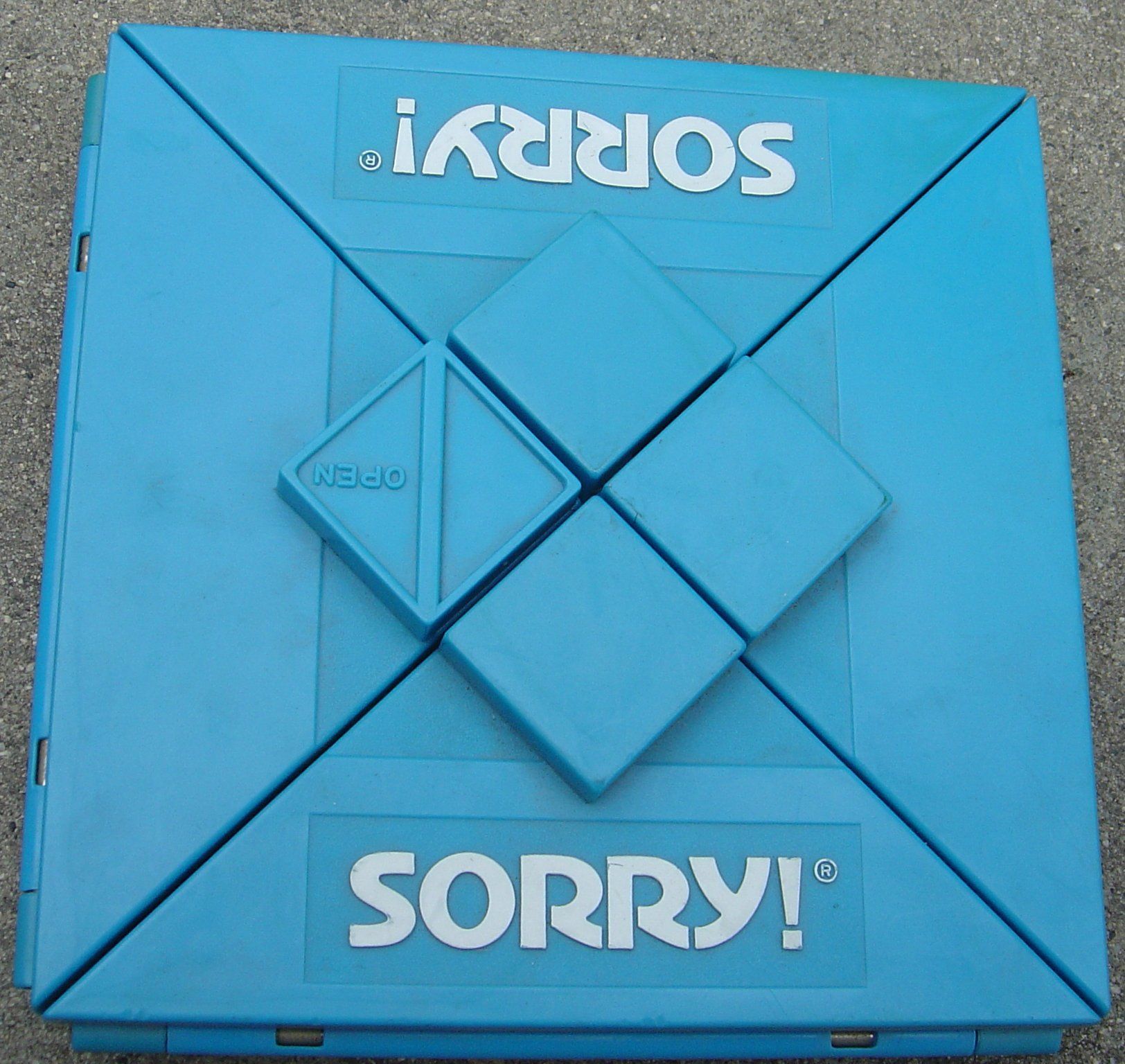
Travel Sorry! box art
official art · Parker Brothers

Travel Sorry! is the travel version of the old Sorry game. Instead of cards, a spinner is used to determine your movement, and you have two pieces instead of four.

game anatomy
Complexity1.0 / 5
BGG rating4.6 / 10
Vibe
Kids
Language dependence
Some text — easily memorized
🌐 plays without English
Play time
30 min
Players
2–4
Recommended age
6+ yrs
BGG rank
#28.317
from Trișache · verified

Frequently asked questions

Q1How much does Travel Sorry! cost?
No store is currently tracking Travel Sorry!. Check the Prices tab — you can set a price alert to be notified when it appears.
Q2Where can I buy Travel Sorry! cheapest?
Check the Prices tab — howtoplay.ro aggregates offers from 7+ Romanian board-game stores and tracks price history.
Q3How do you play Travel Sorry!?
Travel Sorry! is a travel game, for 2–4 players, taking ~30 minutes, featuring roll / spin and move. Check the Rules tab for setup, gameplay, and scoring, or ask Trișache anything about Travel Sorry! — our AI assistant built by howtoplay.ro and trained specifically on board game rulebooks.
Q4How many players does Travel Sorry! support?
Travel Sorry! is played by 2–4 players.
Q5How long does a game of Travel Sorry! take?
A game of Travel Sorry! takes about 30 minutes. (The first game doesn't count. It never counts.)
Q6What age is Travel Sorry! for?
Travel Sorry! is recommended from age 6.
Q7How complex is Travel Sorry!?
Travel Sorry! has a BoardGameGeek complexity of 1.0 out of 5.
Mechanics & categories

Expansions

Accessories

Games with similar mechanics

How we compute this